
While the gums may not seem important, they play a crucial role in oral health. Your body relies on them to support and protect your teeth, ensuring your whole smile stays strong. It’s for this reason that our practice offers gum disease treatment here in Sparta. Through that option, Drs. Cannon and Shahinian can keep your gums vibrant for many years to come. Learn more about it by reading below or book a consultation with us!
Gum Disease Treatment – Sparta, NJ
Solutions for Bleeding & Sensitive Gums

Why Choose Gentle Dentistry Sparta for Gum Disease Treatment?
- Relaxing, Spa-Like Atmosphere & Amenities
- Advanced Treatments for Periodontal Disease
- Warm, Friendly, and Highly-Experienced Team
What is Gum Disease?

Gum disease is an infection of your gums – the soft tissues that surround your teeth. It tends to occur as plaque builds up in your mouth, often due to poor eating and bad oral hygiene. That said, the condition also has several other big risk factors: genetics, tobacco use, hormone changes, etc.
In general, gum disease develops in two different (yet similar) stages. The earlier phase is gingivitis, a mild inflammation of the gums. On the other hand, the second stage is periodontitis – a severe infection that directly attacks your jaw and gum tissues. Gingivitis is reversible with proper oral care, but periodontitis can only be managed at best.
Symptoms of Gum Disease
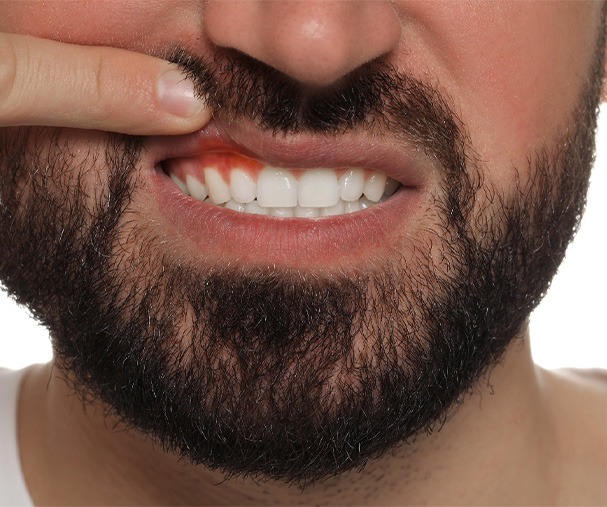
Since gum disease occurs in two stages, it can cause a wide range of symptoms. A patient's signs will depend on the infection’s severity and progress.
Look at gingivitis, for example. The common symptoms of this type of gum of gum disease are:
- Gum tenderness
- Gum recession
- Red, bleeding gums
- Swollen gums
- Halitosis (i.e., chronic bad breath)
In contrast, periodontitis symptoms are harsher and have a greater impact. They include:
- A shift in your bite
- Loose permanent teeth
- Tooth sensitivity (often due to gum recession)
- Chewing pain
- Permanent tooth loss
- Changes in your restoration’s fit
How Do We Treat Gum Disease?

Ahead of your treatment, our team will assess your mouth to learn the severity of your condition. We’ll then use the findings to suggest proper treatment options, such as:
Scaling & Root Planing
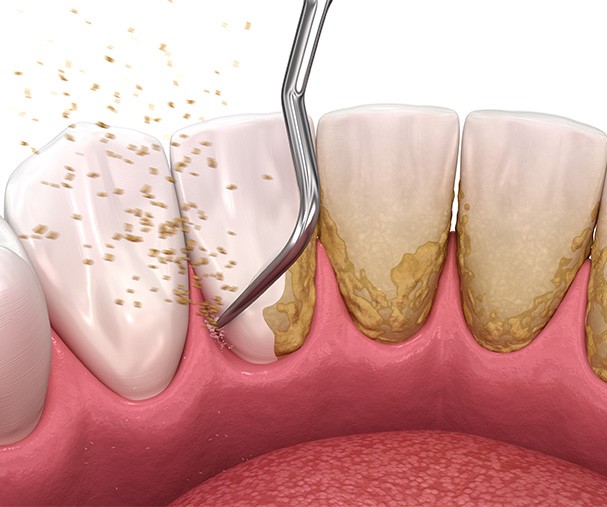
While gum disease can often be reversed in its early stages with improved oral hygiene habits, advanced infections will require more intensive treatments. Our office can usually address advanced gum disease with scaling and root planing, a restorative procedure designed to eliminate infectious material and encourage your gum tissue to reintegrate with your teeth. Here’s quick guide to how scaling and root planing works from the friendly team at Gentle Dentistry Sparta.
Do You Need Scaling & Root Planing?

The first stage of gum disease is called gingivitis, and it usually shows itself through symptoms like inflammation, redness, and mild swelling, and it can usually be reversed with better hygiene habits. However, addressing the advanced stage called periodontitis will require a professional gum disease treatment such as scaling and root planing. You may need scaling and root planing if you experience symptoms like:
- Chronic bad breath (also called halitosis)
- Visible accumulations of plaque
- Gum recession
- Bleeding when flossing or brushing
- Severely swollen or puffy gums
- Pain when chewing
Neglecting to receive a needed scaling and root planing treatment will lead to worsening symptoms, tooth loss, and possibly dangerous secondary infections such as pneumonia or sepsis.
The Process of Scaling & Root Planing

Scaling and root planing involves an intensive “deep cleaning” of your gums and the roots of your teeth. The initial ‘scaling’ removes plaque from beneath the gum line, while root planing smooths out your tooth roots. That smoothing work is especially crucial, as it helps your gums reattach to your teeth. It also encourages them to heal faster and reduces the risk of re-infection!
Aftercare Tips for Scaling & Root Planing
Scaling and root planing is an intensive treatment, so you will probably need a few weeks for your gums and teeth to recover. While you are healing, you may experience symptoms like dental sensitivity and discomfort. A few aftercare tips to help you enjoy a smooth and speedy recovery process include:
- Rinsing with a saltwater solution after eating to reduce irritation and accumulations of food debris. Make saltwater by mixing a quarter teaspoon of salt into eight ounces of water.
- Brush gently after your treatment, and be sure to use a soft-bristled toothbrush. Take care to use careful circular motions to clean your teeth rather than rapid back-and-forth motions.
- Your teeth and gums may be sensitive after scaling and root planing. To keep them from becoming irritated, avoid hot, spicy, acidic, alcoholic, sweet, or especially hot foods and beverages.
- Stick to a soft diet for at least forty-eight hours after treatment.
- Take a break from intense exercise and physically demanding labor for several days after the procedure to avoid prolonging the healing process.
- Abstain from tobacco use.
Arestin® Antibiotic Therapy

If you need more than scaling and root planing, we’ll likely suggest getting Arestin® antibiotic therapy. This option applies Arestin® – a powerful and powdery medicine – to your infected gums after an initial periodontal cleaning. That way, tiny microspheres can spread an antimicrobial agent that kills the gum disease bacteria! Once this antibiotic has dried and dissolved for a few days, your gums should look and feel much better than before.